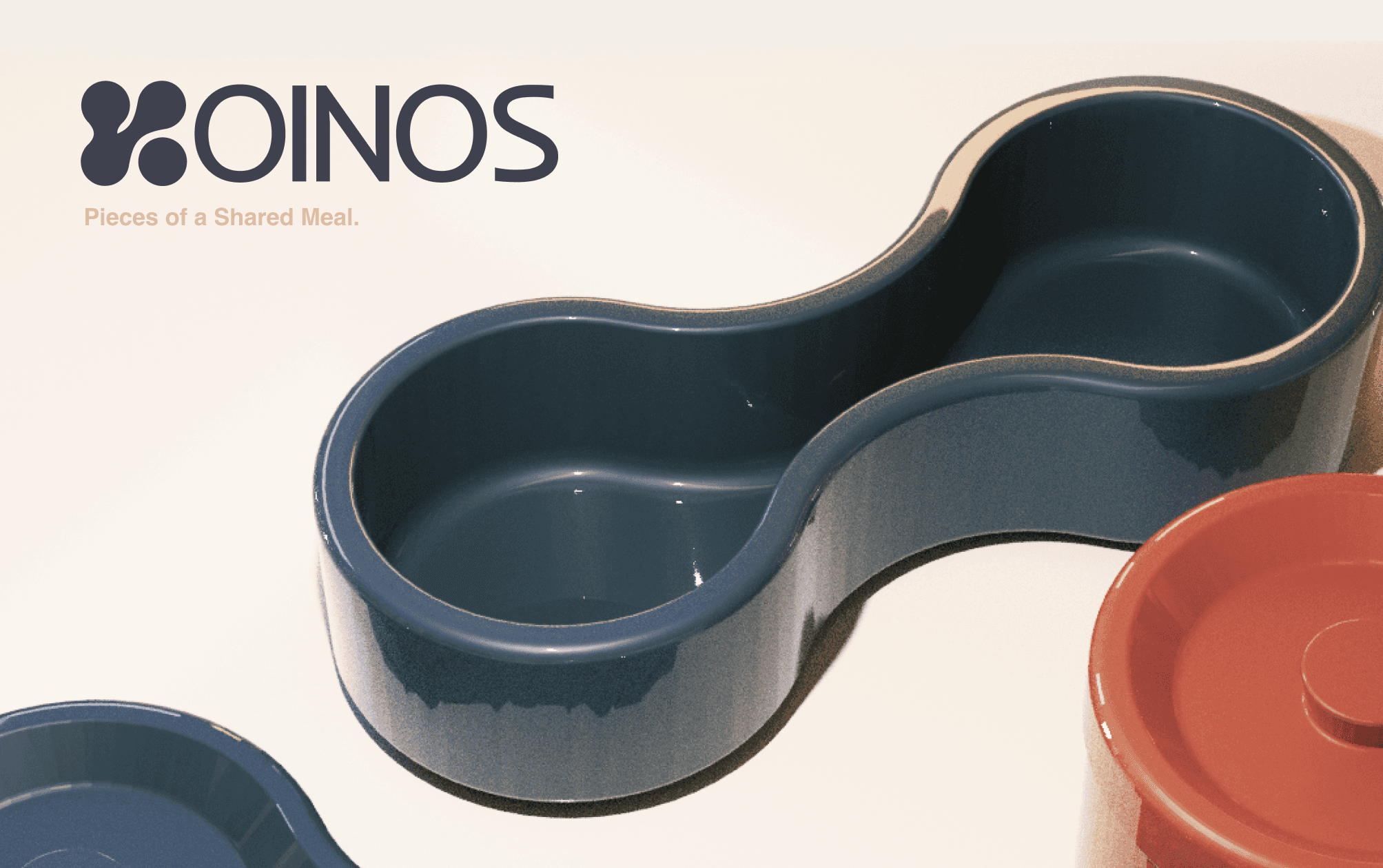
Koinos
Modular Serving Set
A Unified Brand and Product System Celebrating Craft and Cultural Labour
Role
Brand and Visual system Designer
Timeline
8 weeks, Fall 2025
Tools
Figma, Illustrator, Photoshop
Team
3 Industrial Designers: Timothy Yang, Adam Roth, Jack Estabrook
AT A GLANCE
Reframing Cookware as a Communal Experience
01 Cross Tracks Collab
Worked as the sole Communication Designer within a team of Industrial Designers, collaborating closely on form, materiality, modularity, and interaction while emphasizing narrative + visual language.
02 Cohesive Experience
Developed a visual and experiential system that extends the industrial object’s values like shared labor, care, and ritual into graphic assets, storytelling, physical form, and participatory experiences.
03 Cultural Depth
Helped articulate how modular ceramic forms, material honesty, and visible labor tell cultural memory and communal values across both the physical product and its brand presence.
Context
KOINOS is a modular ceramic serving set designed through an industrial design lens to support shared use, cooperative interaction, and communal dining rituals. Named after the Greek word meaning “shared” or “common,” the project reframes cookware as a platform for collective participation rather than individual ownership.
The project was developed by a cross-disciplinary team combining industrial design and communication design. The industrial design work focused on material exploration, construction logic, tolerances, and physical interaction, while my role centered on translating these qualities into a cohesive narrative and visual system.
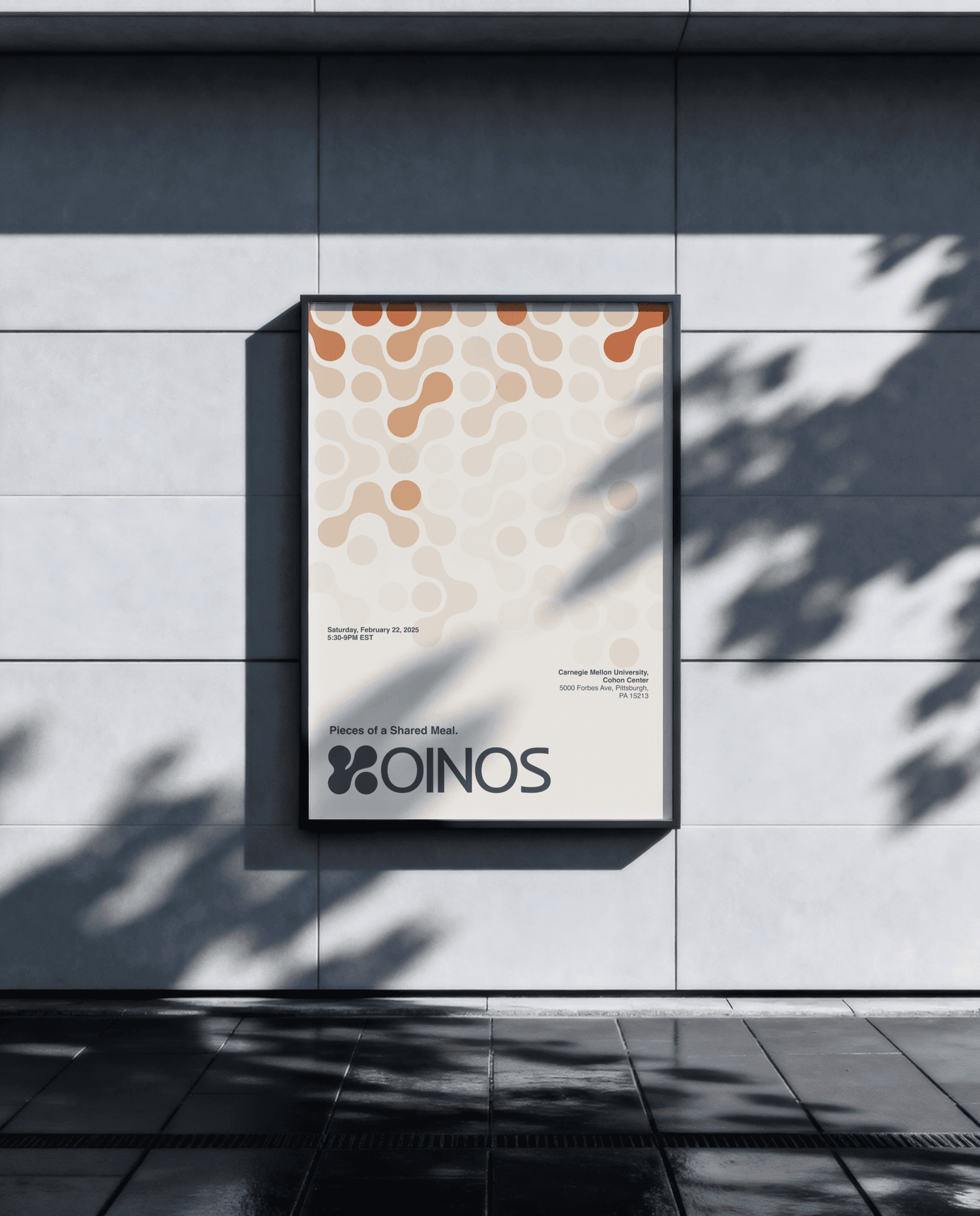
Drawing directly from the product’s modular geometry, joinery logic, and visible tool marks, I led the development of a brand system that mirrors the object’s industrial language. Through visual identity, posters, and experiential concepts, I helped extend the industrial design into a broader cultural and communicative experience, demonstrating how industrial design and communication design function as a single, integrated system.
01 The Problem
What requires our attention?
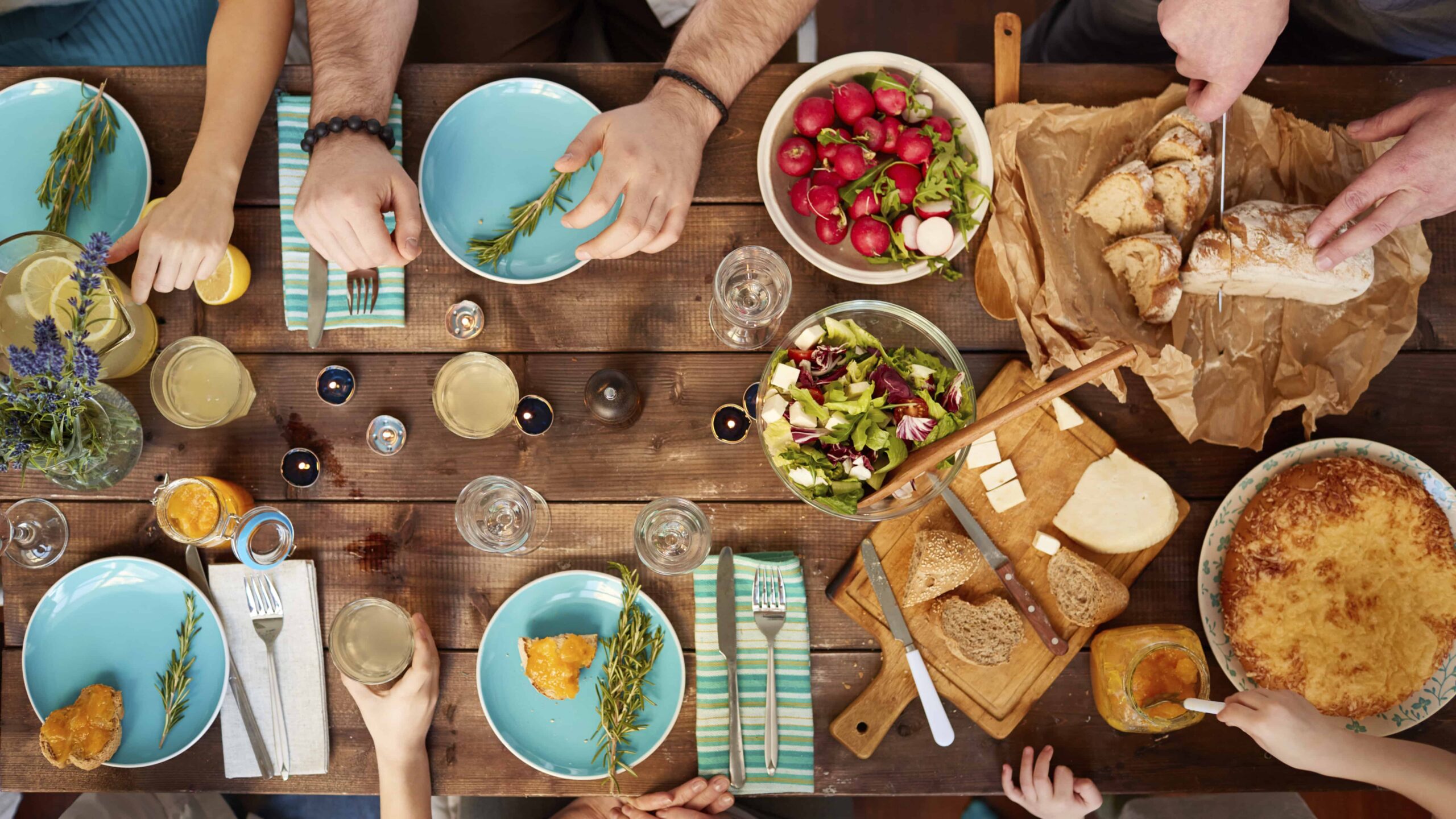
Communal food practices are shaped by layers of hidden labor, ethical tension, and cultural erasure. Domestic cooking and preparation which are often carried out by women or family members remain largely invisible in the final dining experience, concealing the care, time, and effort involved. At the same time, materials that elevate the user experience frequently originate from underpaid or uncredited labor within global supply chains, creating a disconnect between beauty and responsibility. Many design objects further compound this issue by borrowing cultural aesthetics without acknowledging the people, histories, and traditions that give them meaning.
Problem Statement
How might we reveal the invisible layers of human, cultural, and material labor embedded in cooking tools, and design for collective, rather than individual, ownership and joy?
02 The Solution
Cookware as a Shared Experience
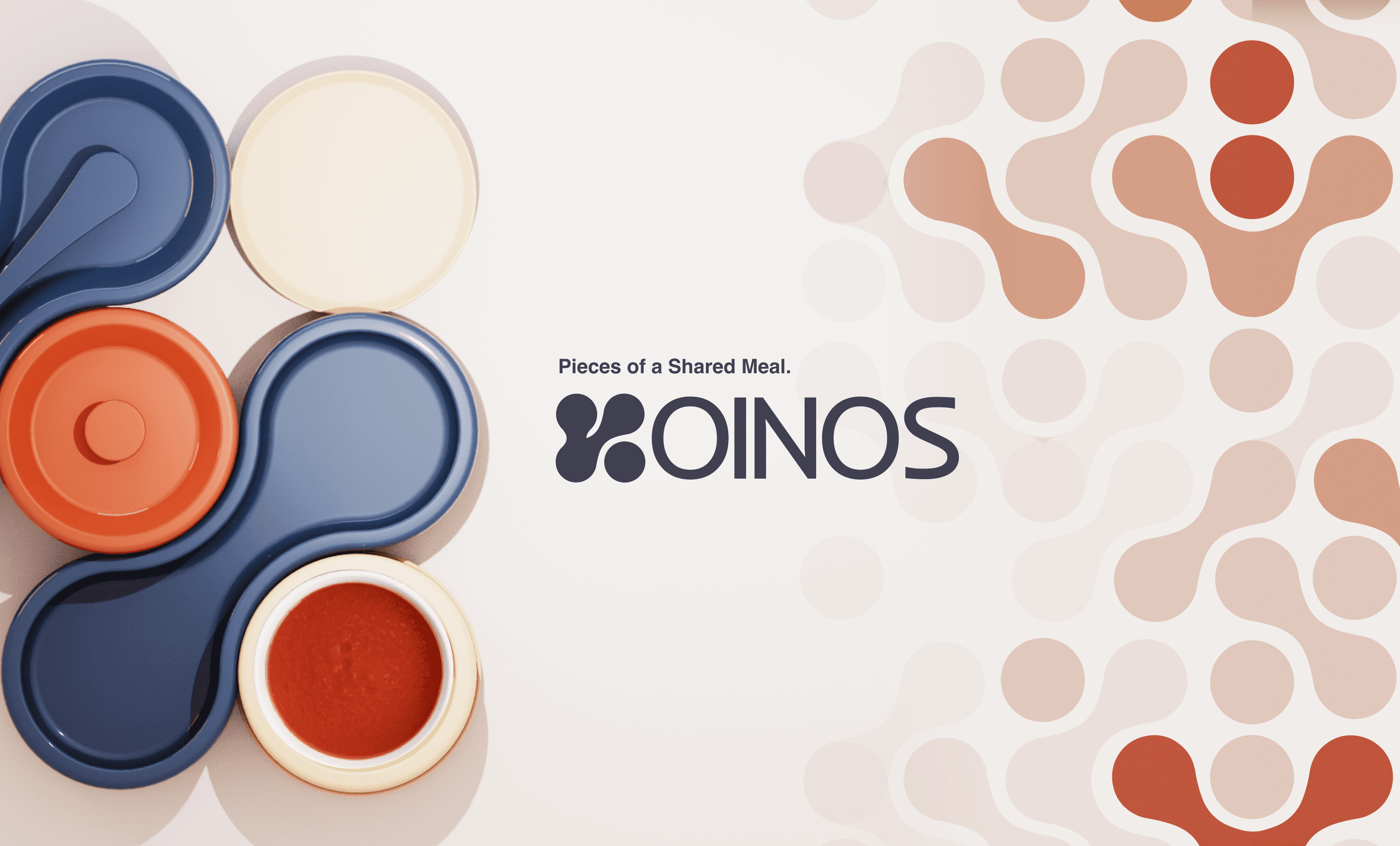
Reimagined for Equity, the Modular Puzzle Serving Set turns dining into a co-created experience. Each piece represents a cultural narrative that only becomes complete when assembled with others.

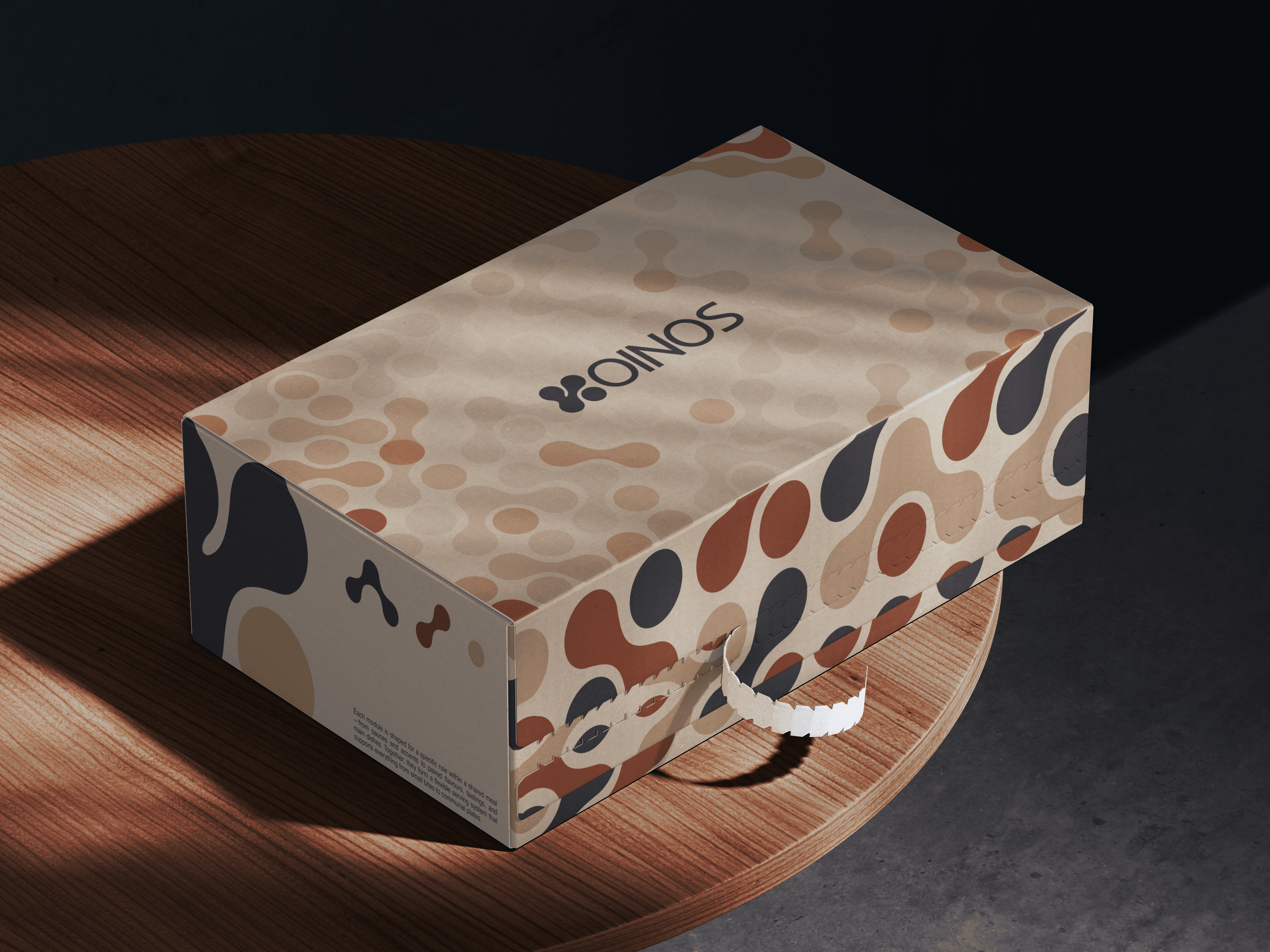
Both a Product and a Brand Experience
Product
Modular Serving Set
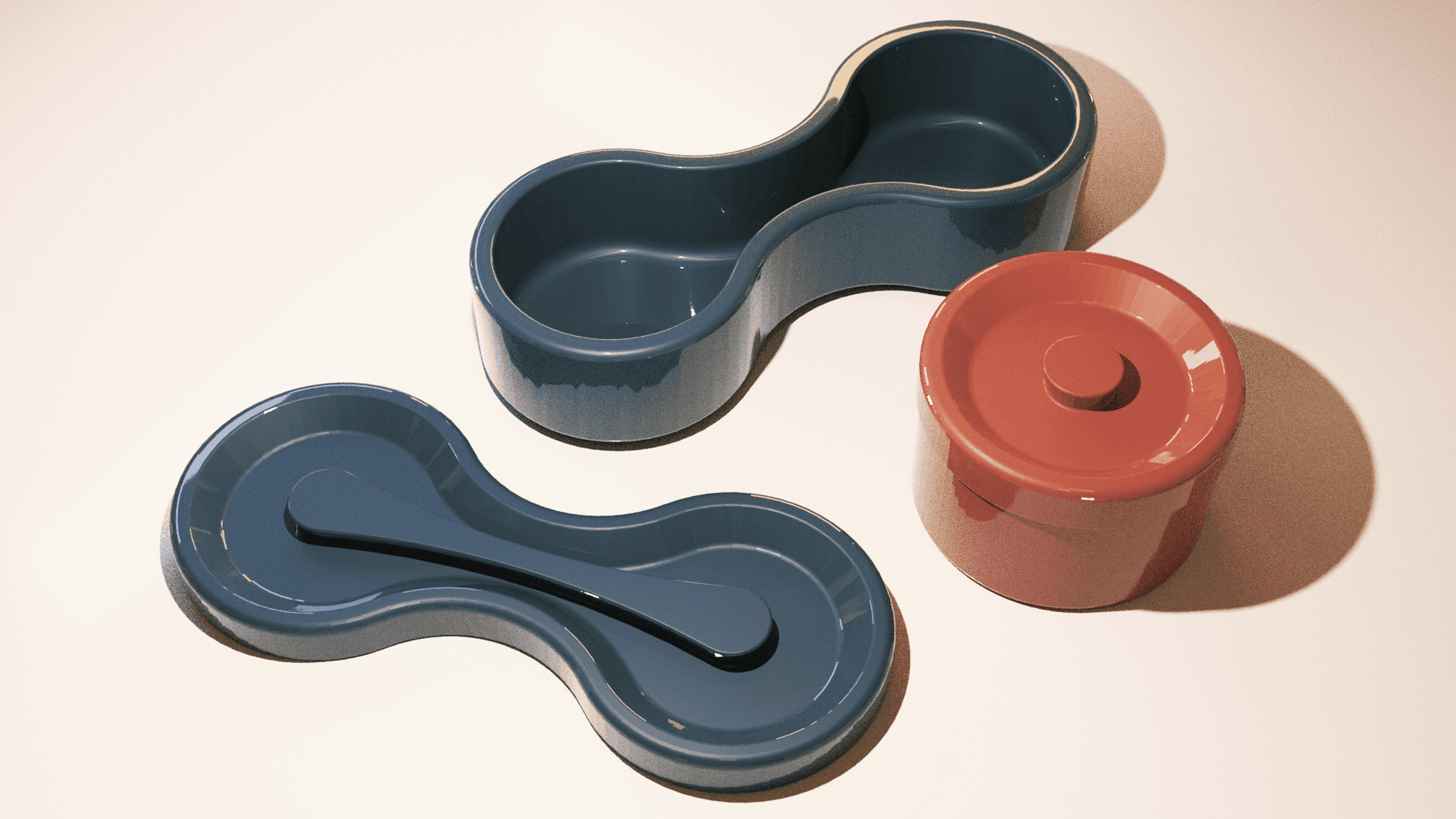
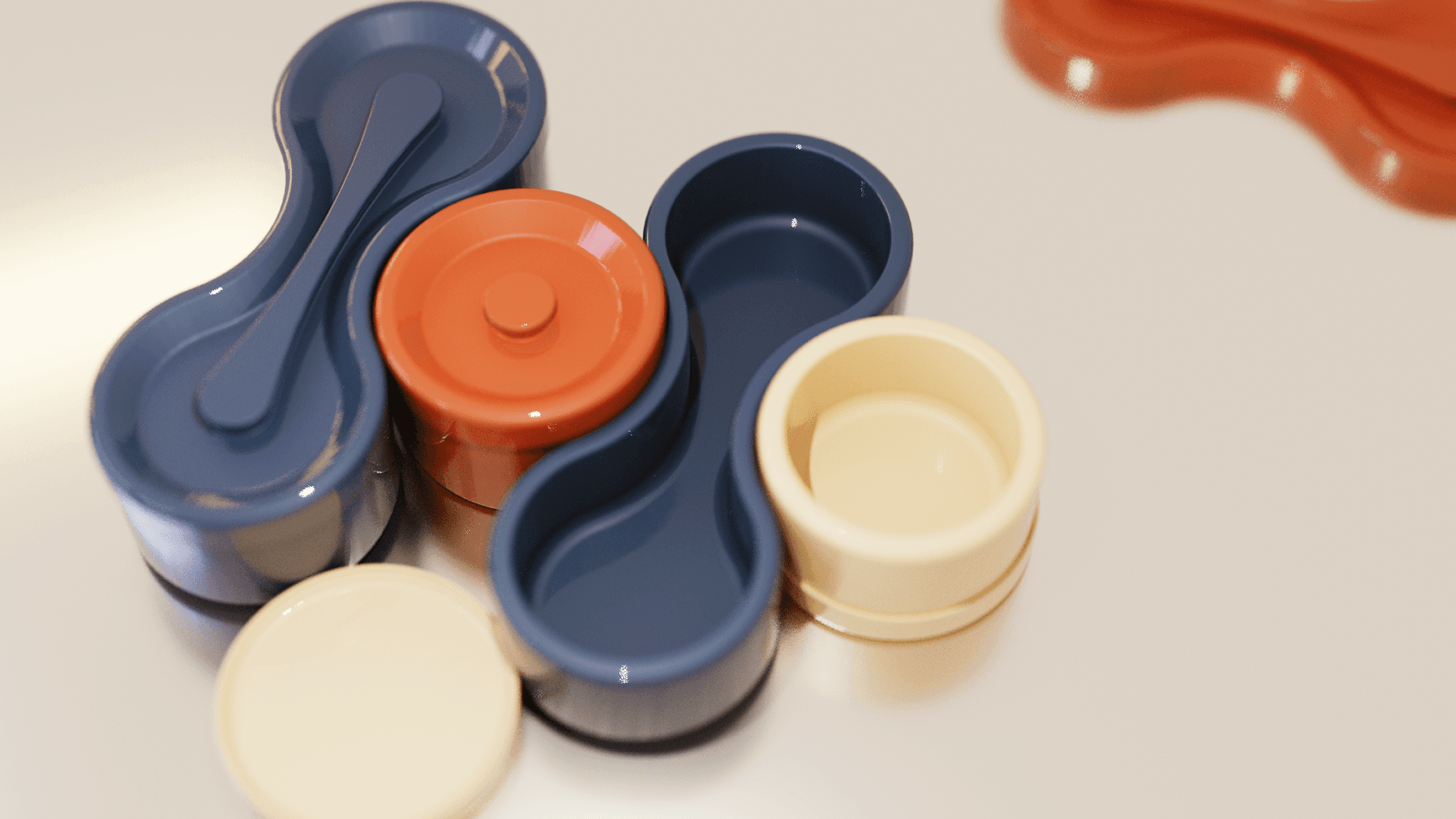
Puzzle-like modules that complete through connection, forms shaped for shared serving and interaction, clay + ceramic materials that preserve human touch and authentic craft
Brand Experience
Shared Table Campaign
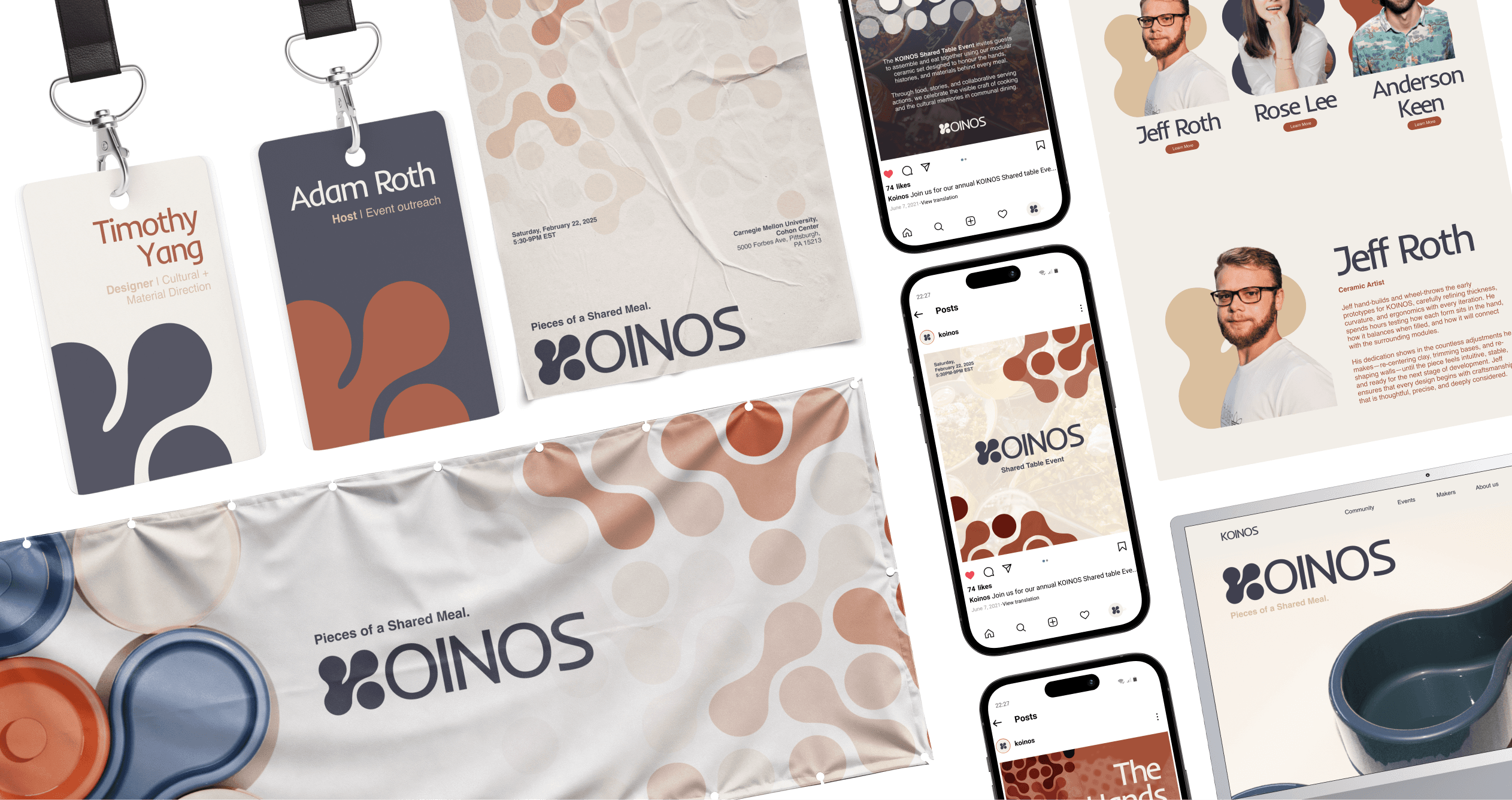
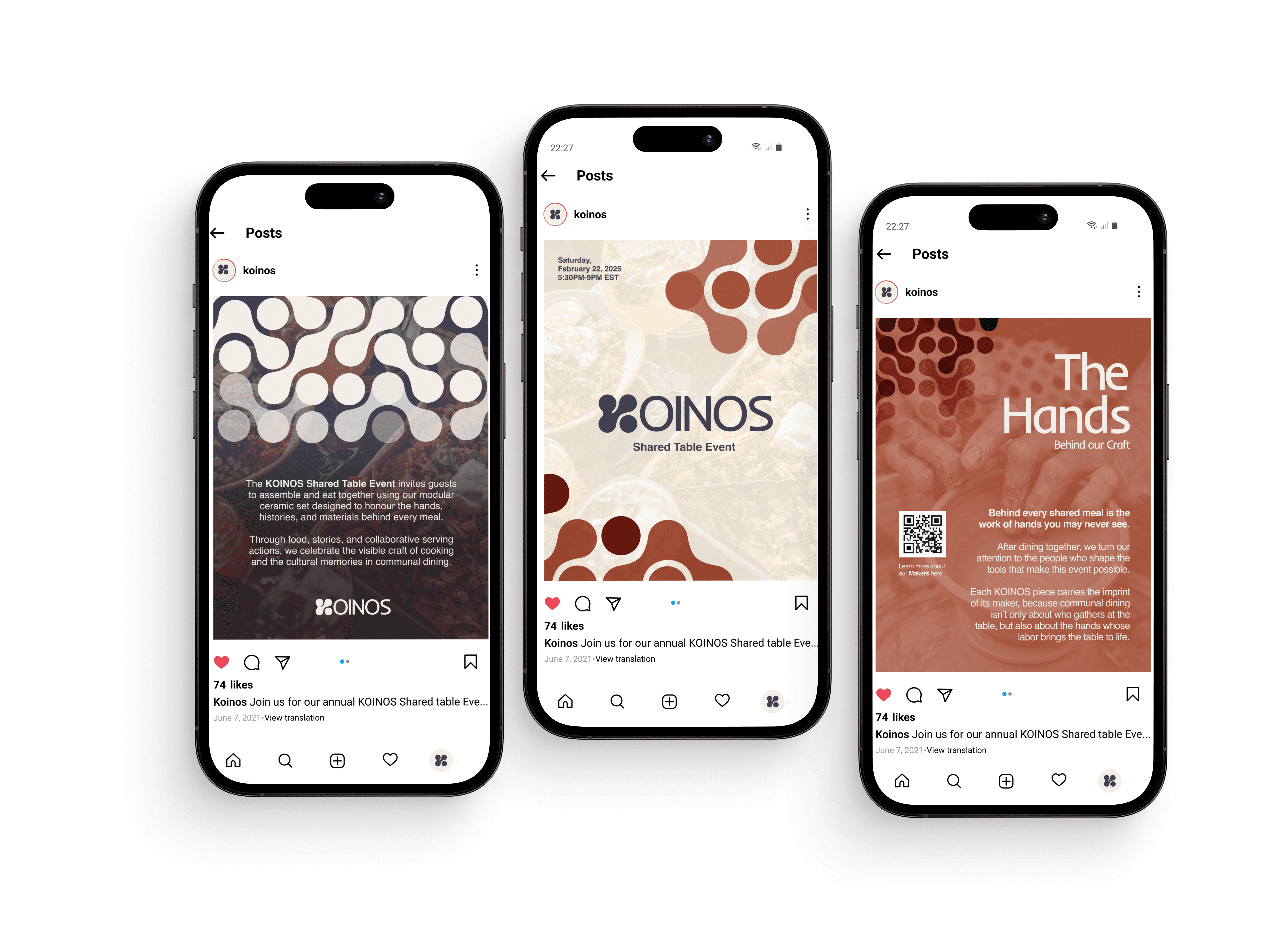
Visual identities inviting people into communal dining, socials materials highlighting cultural storytelling, event concept centered on assembling the set together and sharing food
03 Process
Empathizing, debates, and discussions
Group Brainstorming
Mapping Communal Rituals & Shared Meaning
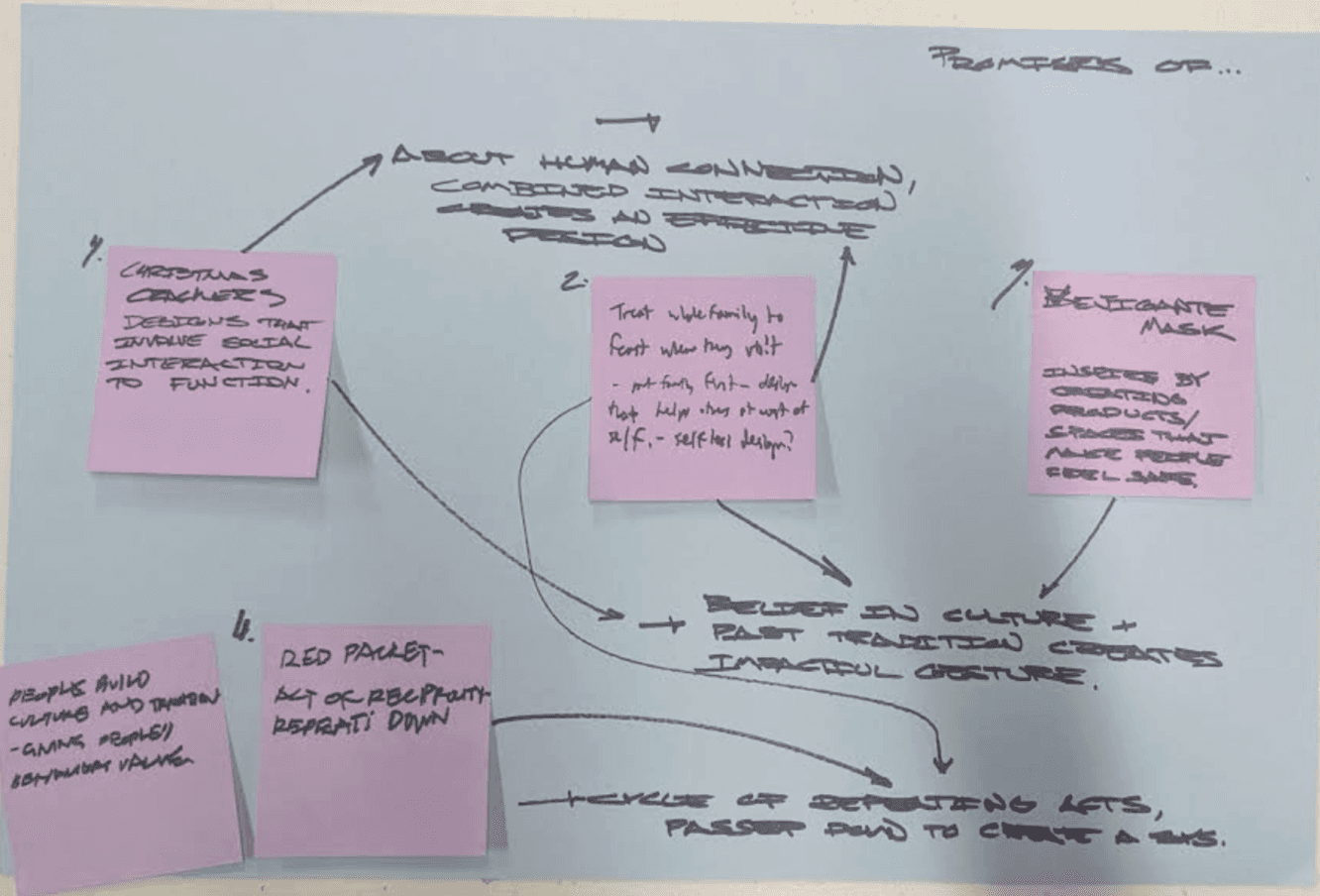
Early concept mapping exploring how cultural practices, such as shared meals, gift exchange, and hospitality rituals, rely on collective participation, visible labor, and interaction to create meaning.
Looking Beneath the Surface
Mapping Labor, Value, and Responsibility
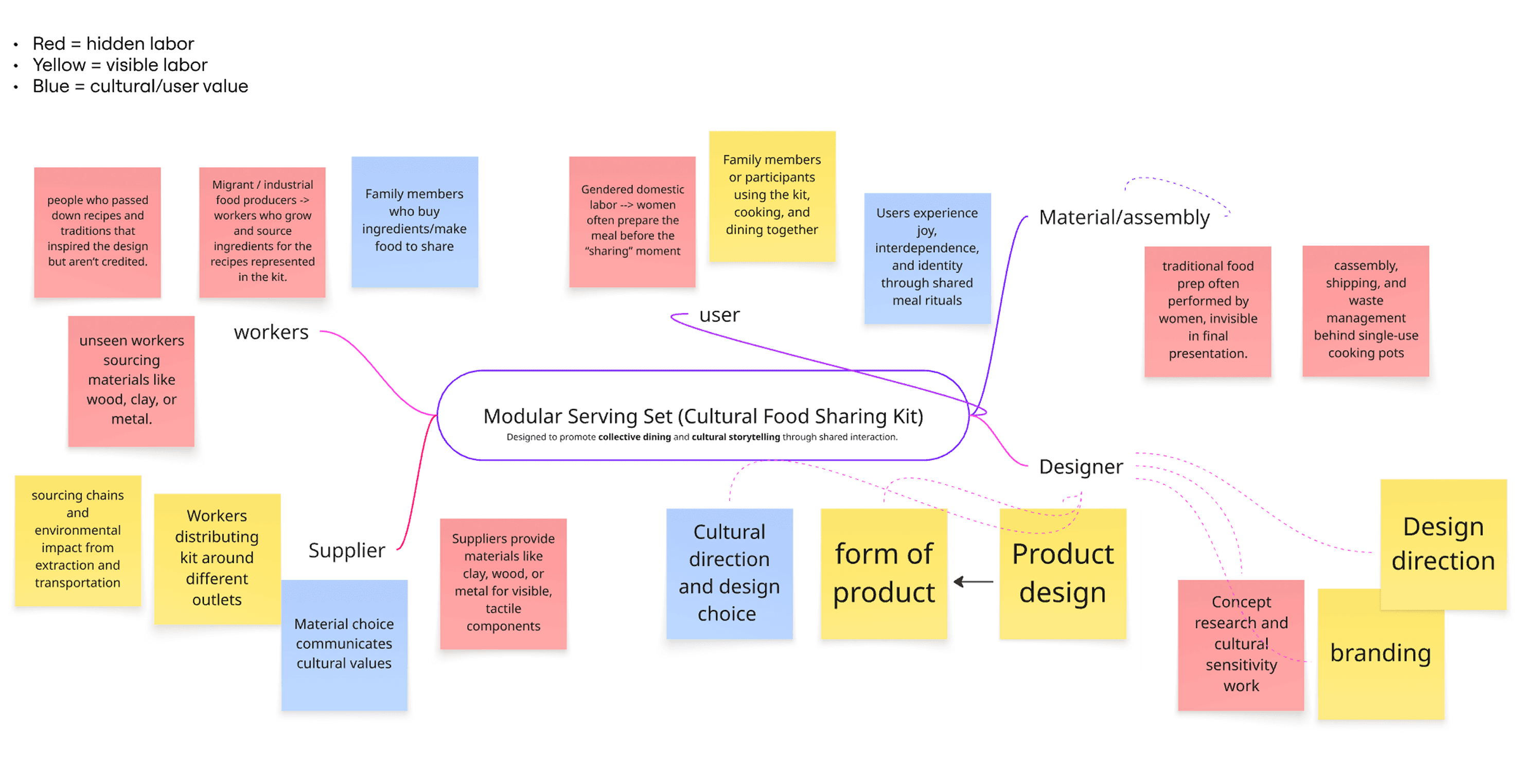
Mapping Systemic Constraints and Opportunities
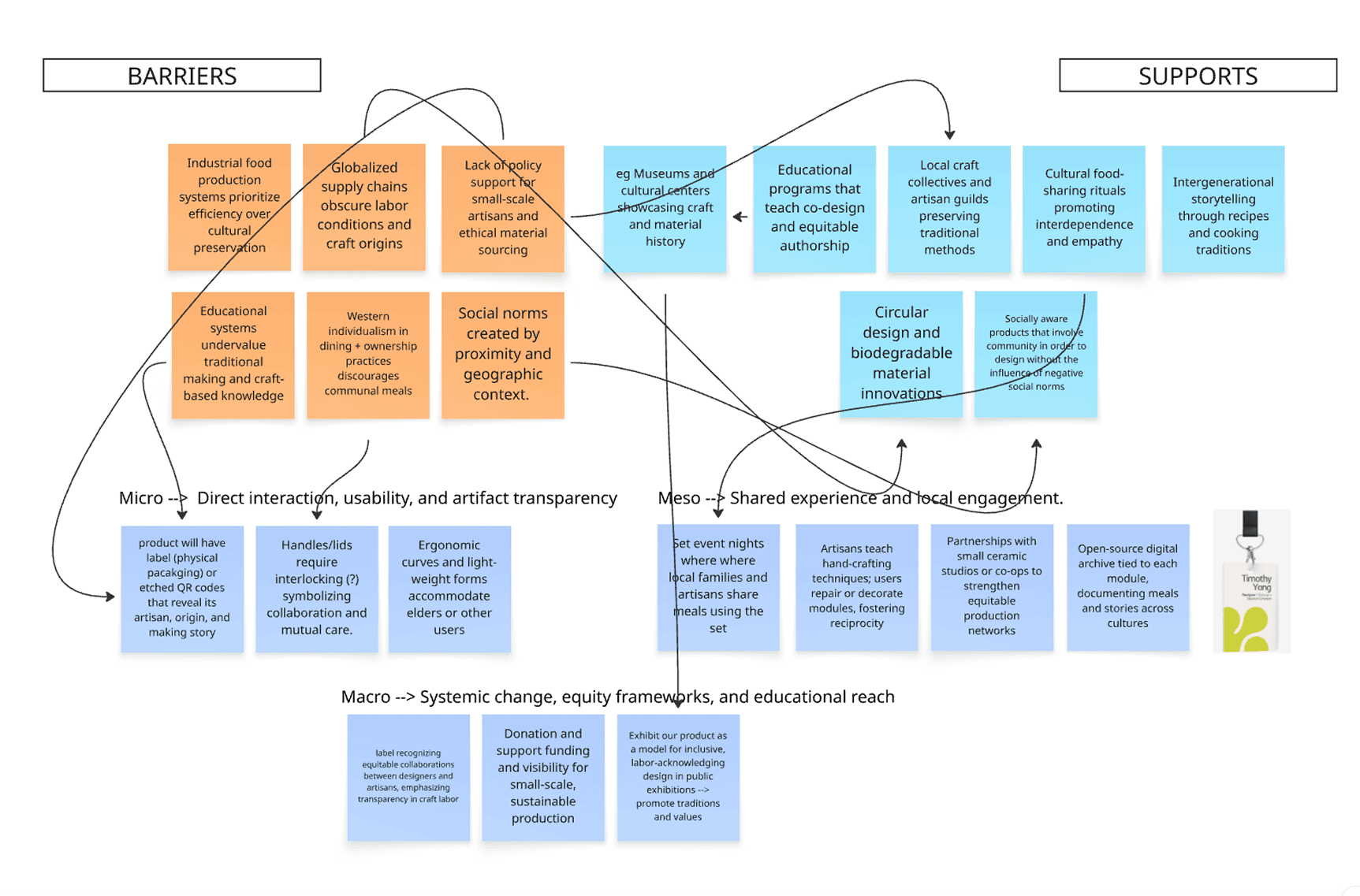
These maps explore how communal food practices are shaped by visible and hidden labor, cultural values, and systemic structures. Together, they trace the relationships between workers, users, suppliers, designers, and broader social systems, revealing how meaning, responsibility, and power are distributed across the lifecycle of an object. These insights informed KOINOS’s main design principals:
Design Principals
01 Designed for Shared Participation
KOINOS should be built to be used together. Forms, scale, and interactions should require multiple hands, encouraging cooperation, reciprocity, and collective presence rather than individual ownership.
02 Meaning Embedded in Making
Materials, construction details, and visible labor should communicate care and effort. Tool marks, joins, and variation should be preserved, allowing the process of making to remain legible and expressive.
03 Modularity Should Support Connection
Components should function independently but gain meaning through connection. Modular forms should enable flexible assembly, shared responsibility, and interaction shaped by the group rather than a single user.
02 Branding and Product Positioning
Anchored in culture, labour, and community
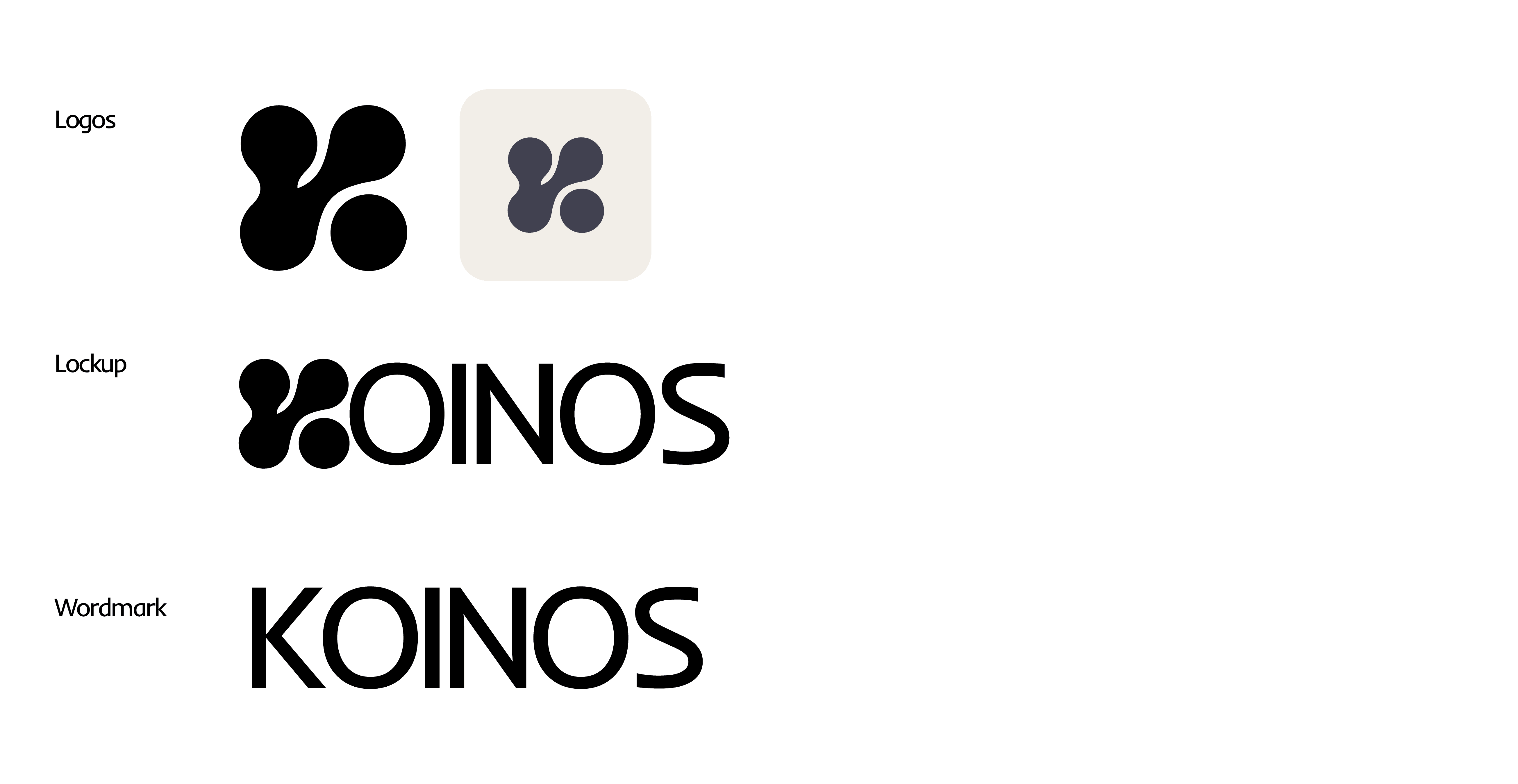
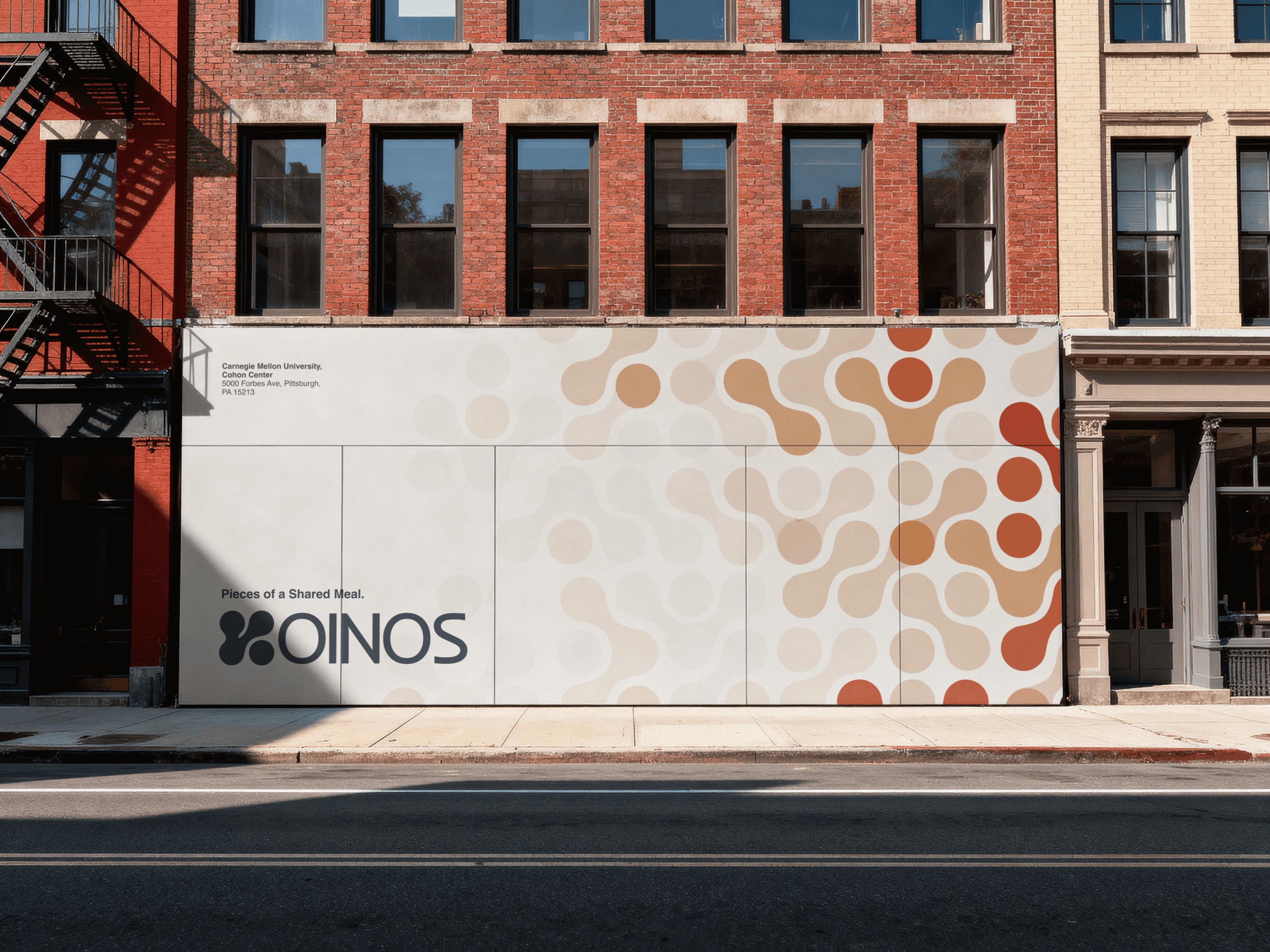
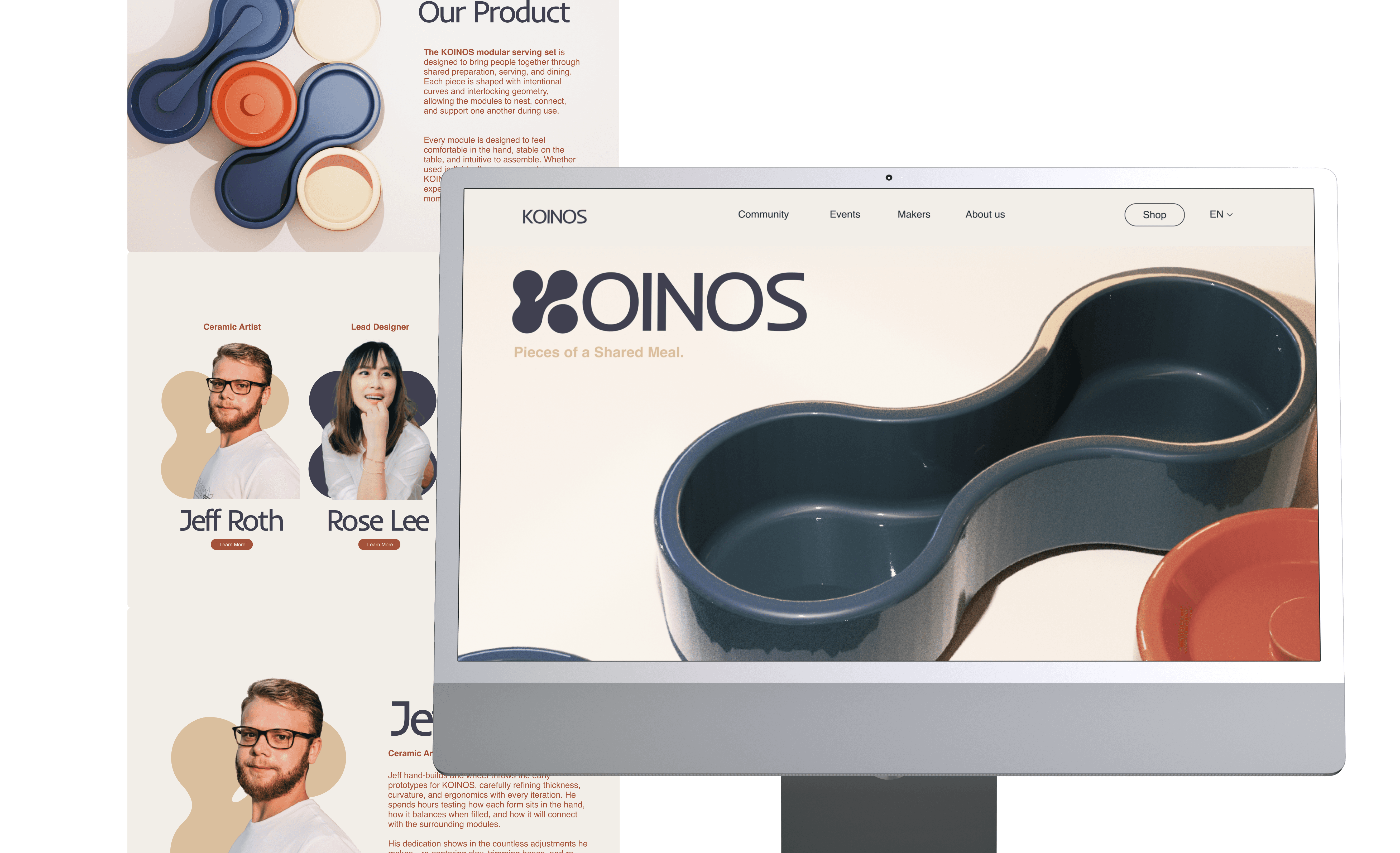
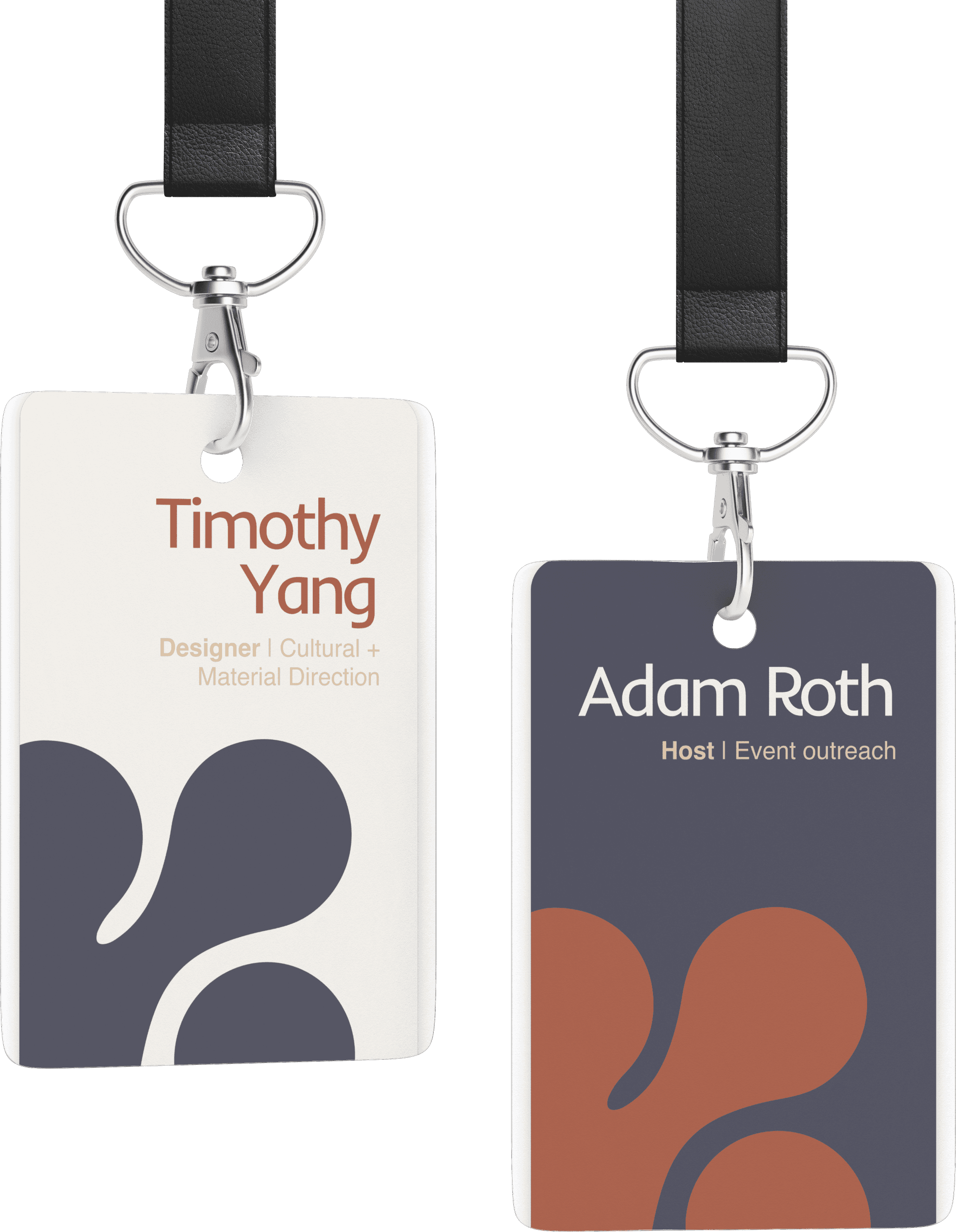
The KOINOS visual identity is built directly from the logic of the product itself. The logo mark is constructed from a system of overlapping circular forms, referencing modularity, interdependence, and shared structure. Each unit functions on its own, but gains meaning through connection
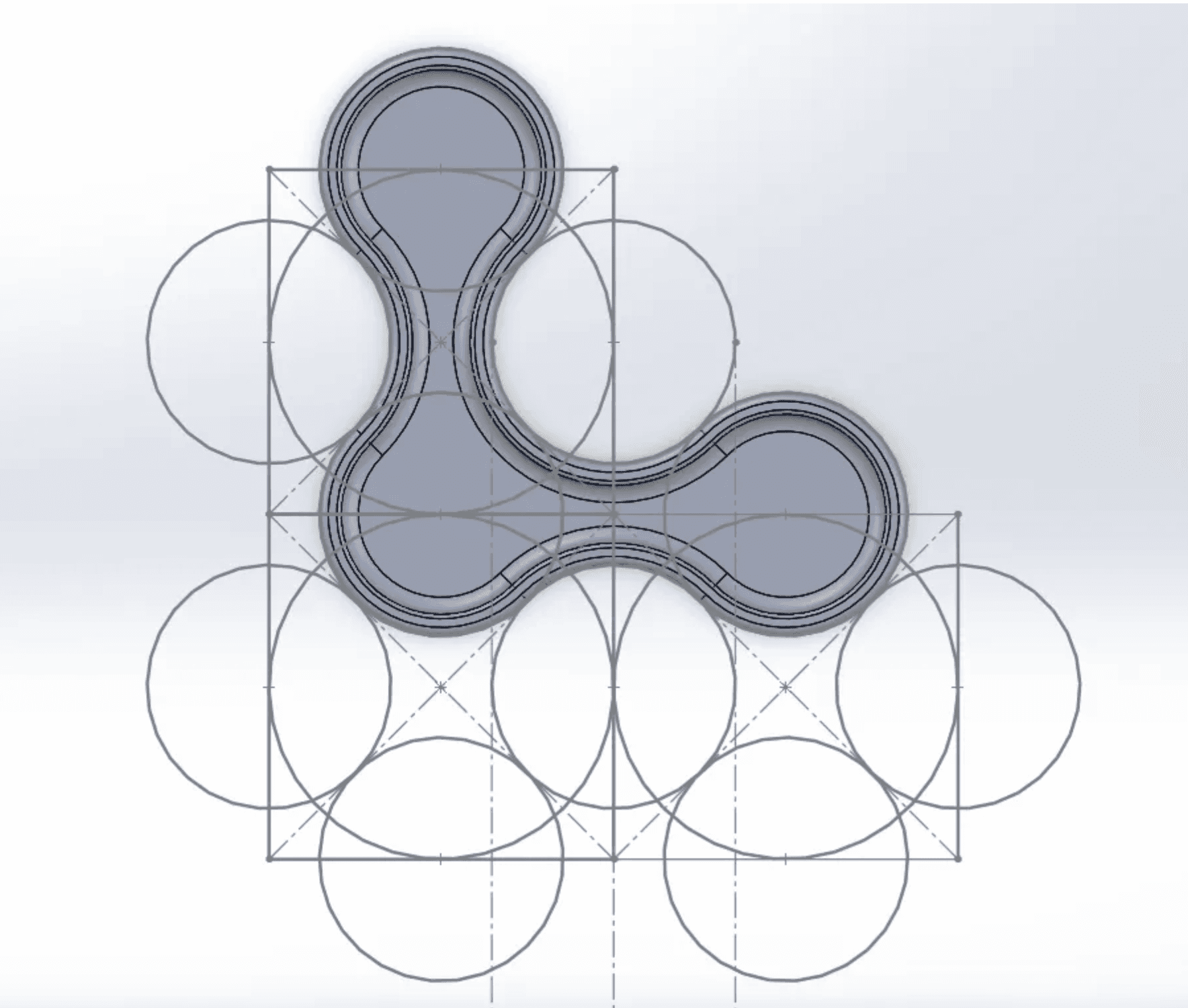
Solid works render by industrial desginer
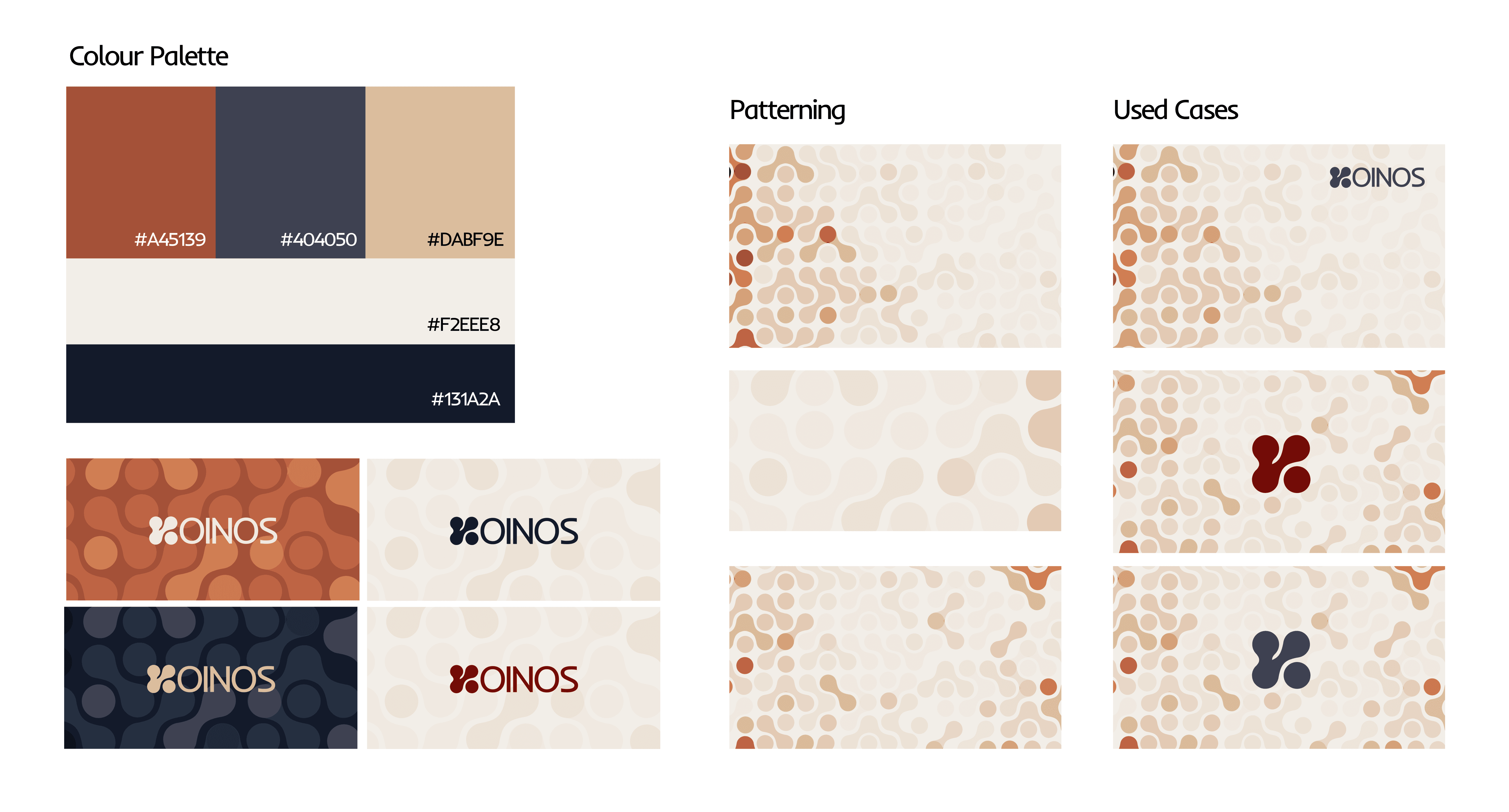
03 Used cases
Form carried through flat and 3D narratives
03 Reflection
Working with 3 industrial designers taught me…
Key Insights
Product + Visual Design Built Together
This project showed me that branding cannot be layered on after a product is finished. The strongest outcomes emerged when visual language, narrative, and physical form evolved TOGETHER.
Learning Across Disciplines
Through collaboration, I learned to see modularity, surface texture, and visible labor as expressions of care, shared effort, and cultural memory embedded directly in the object.
Grateful for…
This project pushed me to step outside a purely visual mindset and work deeply within an industrial design-driven process. As the sole Communication Design student on a team of Industrial Design majors, I learned how much stronger a project becomes when storytelling and material logic inform each other from the start.
Through constant discussion and collaboration, I began to see how manufacturing decisions, material choices, and construction details could act as narrative tools rather than constraints. These moments reshaped how I understand design: meaning is not added after the fact, but embedded through making.
I’m grateful for a team that valued dialogue, shared ownership, and interdisciplinary thinking. This experience strengthened my confidence working across disciplines and reinforced a lesson I’ll carry forward: products communicate through form, and brands succeed when they grow directly from how something is made and used.